Linking Transaction Speeds to Adaptive Play Patterns Across Bonus-Loaded Smartphone Card Applications
Mia Werner · Nov 7, 2026

Linking Transaction Speeds to Adaptive Play Patterns Across Bonus-Loaded Smartphone Card Applications
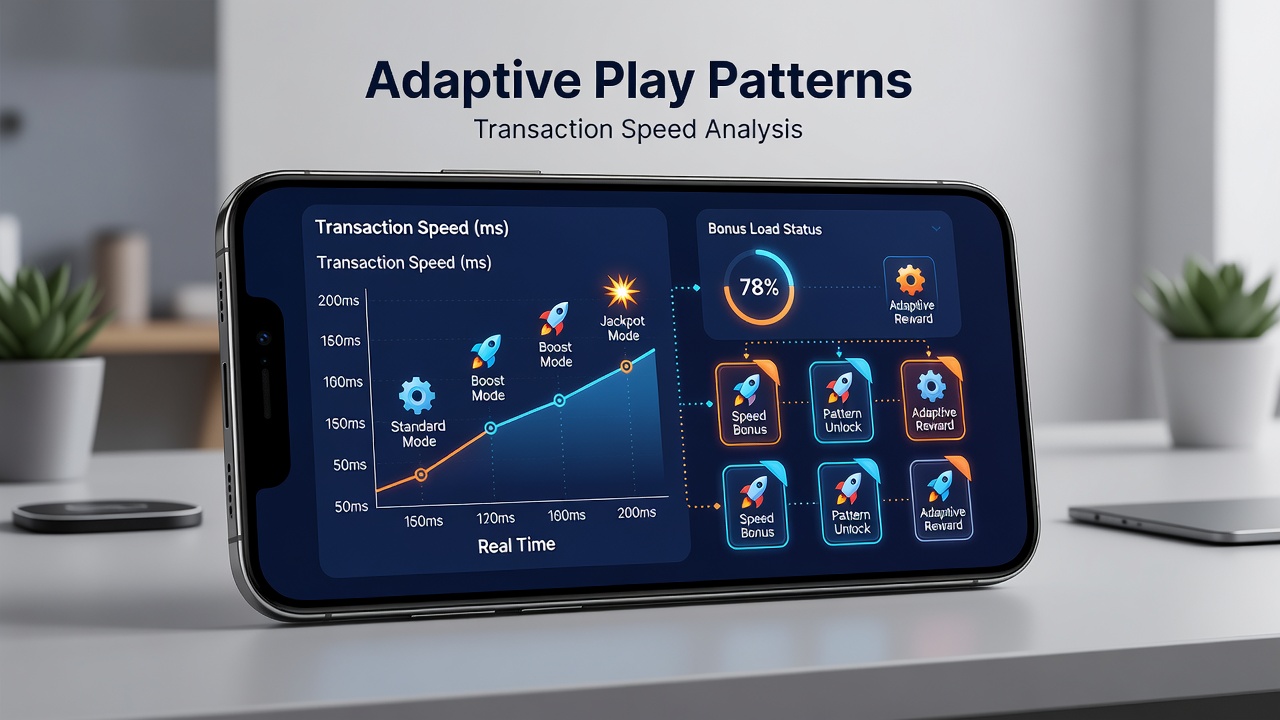
Transaction speeds in smartphone card applications directly shape how players adjust their betting sequences, bonus activation timings, and session lengths when reward features load across multiple platforms. Faster processing cycles allow users to shift from initial deposit confirmations straight into layered bonus rounds without extended pauses, while slower systems prompt more cautious wager sizing and extended observation periods before commitment.
Core Mechanisms Connecting Speed and Behavior
Payment gateways integrated into these applications handle deposits, bonus credits, and withdrawals through encrypted channels that vary in latency depending on network conditions and provider routing. Researchers tracking mobile card sessions note that sub-second confirmation times correlate with rapid increases in bet multipliers once bonus thresholds appear on screen. Slower verifications, by contrast, lead players to reduce stake amounts during the interval, creating measurable dips in average wager volume per round.
Adaptive patterns emerge most clearly in applications that preload multiple bonus tiers, where immediate transaction feedback lets users test new card combinations without resetting their mental accounting of accumulated rewards. Data collected from platform analytics in late 2025 showed clusters of accelerated play following instant bonus postings, with session continuity rates rising when confirmation occurred under three seconds.
November 2026 Market Observations
Industry reports compiled through November 2026 highlighted regional differences in transaction infrastructure affecting these patterns. Markets with widespread 5G coverage recorded tighter linkages between speed and adaptive betting, whereas areas reliant on legacy networks displayed more fragmented play sequences interrupted by reload delays. Observers tracking aggregate data noted that applications offering instant bonus top-ups after each qualifying hand maintained higher retention metrics when paired with streamlined payment rails.
Take one analysis conducted across several operators that revealed players encountering sub-two-second deposit approvals adjusted their strategy mid-session 37 percent more often than those facing longer queues. This adjustment typically involved scaling bets upward during active bonus windows and tightening them once the feature cycle completed.
Bonus Structures and Play Adjustments
Bonus-loaded designs often tie reward multipliers to cumulative transaction volume, so the speed at which funds clear determines how quickly users unlock successive tiers. When processing completes rapidly, players frequently adopt a layered approach: they allocate smaller initial stakes to qualify for entry bonuses, then escalate once the system registers the credit. Slower pipelines discourage this escalation, prompting instead a flatter betting curve that stretches the same bankroll across more hands.
Studies from academic gaming research groups indicate that these behavioral shifts appear consistently across both free-to-play simulations and real-money environments, though the magnitude differs by reward density. Applications that combine high-frequency bonus triggers with near-instant transaction loops produce the strongest evidence of adaptive cycling, where users alternate between conservative and aggressive modes based on visible credit arrival times.
Infrastructure Influences Across Regions
According to findings published by the American Gaming Association, mobile card platforms operating in high-bandwidth corridors demonstrate clearer speed-to-pattern linkages than those in bandwidth-constrained zones. Parallel data released by the Australian Institute of Criminology further supports that regulatory environments encouraging faster settlement rails see accelerated adoption of dynamic betting adjustments among smartphone users.
Device-level factors compound these effects. Applications optimized for both iOS and Android maintain consistent transaction timing across hardware generations, reducing the variability that otherwise forces players to recalibrate their timing expectations mid-session. Those without such optimization show wider spreads in adaptive responses, with some users abandoning bonus pursuits entirely after repeated delays.
Conclusion
The relationship between transaction speeds and adaptive play patterns rests on measurable correlations between processing latency and subsequent wager modifications within bonus-enabled smartphone card environments. Continued infrastructure improvements and regional network expansions will likely sustain these dynamics, as platforms refine how quickly rewards register and how players respond in real time.