Interface Layouts Transforming Card Game Approaches in Mobile Casino Platforms
Wendy Lehmann · Aug 2, 2026
Interface Layouts Transforming Card Game Approaches in Mobile Casino Platforms
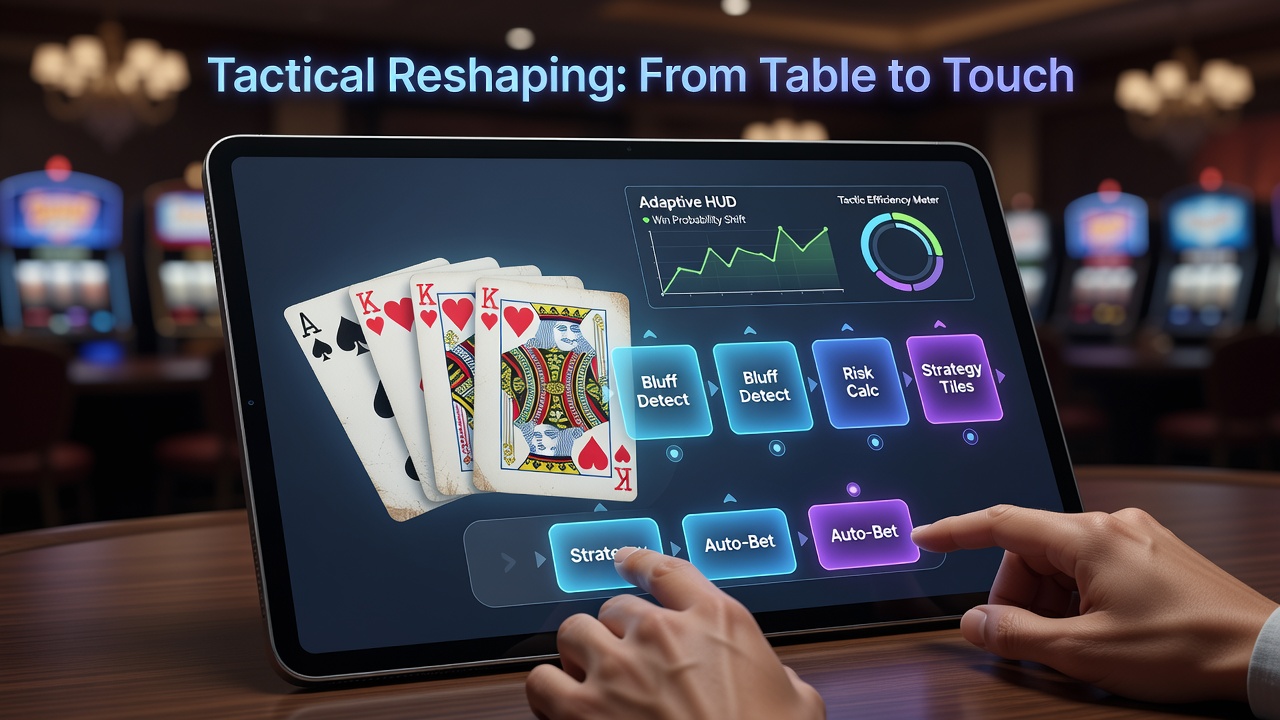
Interface designs in handheld casino applications have begun altering how players approach card games through changes in screen organization, touch response timing, and information presentation. Data from August 2026 shows increased adoption of portrait and landscape modes that rearrange card displays, betting zones, and decision buttons across popular mobile platforms. These shifts affect traditional tactics that once relied on physical table positioning and direct observation of opponents.
Screen Organization and Card Visibility
Compact layouts on smaller devices compress card spreads while expanding areas for chip stacks and timers, which forces adjustments in how users track suits and values during rounds. Research from mobile gaming analytics indicates that players encounter reduced peripheral vision compared to desktop versions, leading to modified counting systems that prioritize central screen elements. Observers note that some applications introduce foldable card stacks or overlay previews to compensate, and this setup changes the pace at which decisions occur because users must tap through layered information rather than scanning a full table at once.
Applications that rotate between horizontal and vertical orientations provide different advantages, since horizontal views often spread multiple hands across the width while vertical ones stack sequential actions downward. Those who've examined usage patterns report that horizontal modes support broader tracking of community cards in games like poker variants, whereas vertical formats streamline single-hand focus in blackjack sessions. The arrangement influences memory load because clustered elements require users to scroll or zoom during play.
Touch Controls and Decision Timing
Touch-based interfaces replace physical chip handling with swipe or tap gestures that register bets and actions in milliseconds, which compresses the window for strategic deliberation between rounds. Studies on portable gaming platforms reveal that haptic feedback and button proximity alter the sequence of moves, as users adapt to on-screen prompts that appear in fixed zones rather than across a shared surface. This transition affects classic tactics such as delayed betting or position-based reads, since the interface dictates when and where inputs register.
Some designs incorporate gesture shortcuts for common actions like doubling or splitting, and these features accelerate play while reducing the physical separation between observation and execution that existed in traditional settings. Data collected through app telemetry shows variations in response intervals depending on button size and placement, with tighter clusters correlating to faster but sometimes less calculated choices. Applications released or updated around August 2026 increasingly test adaptive layouts that resize controls based on device grip, which further modifies how players sequence their responses during extended sessions.
Multi-Hand Displays and Tactical Adaptation
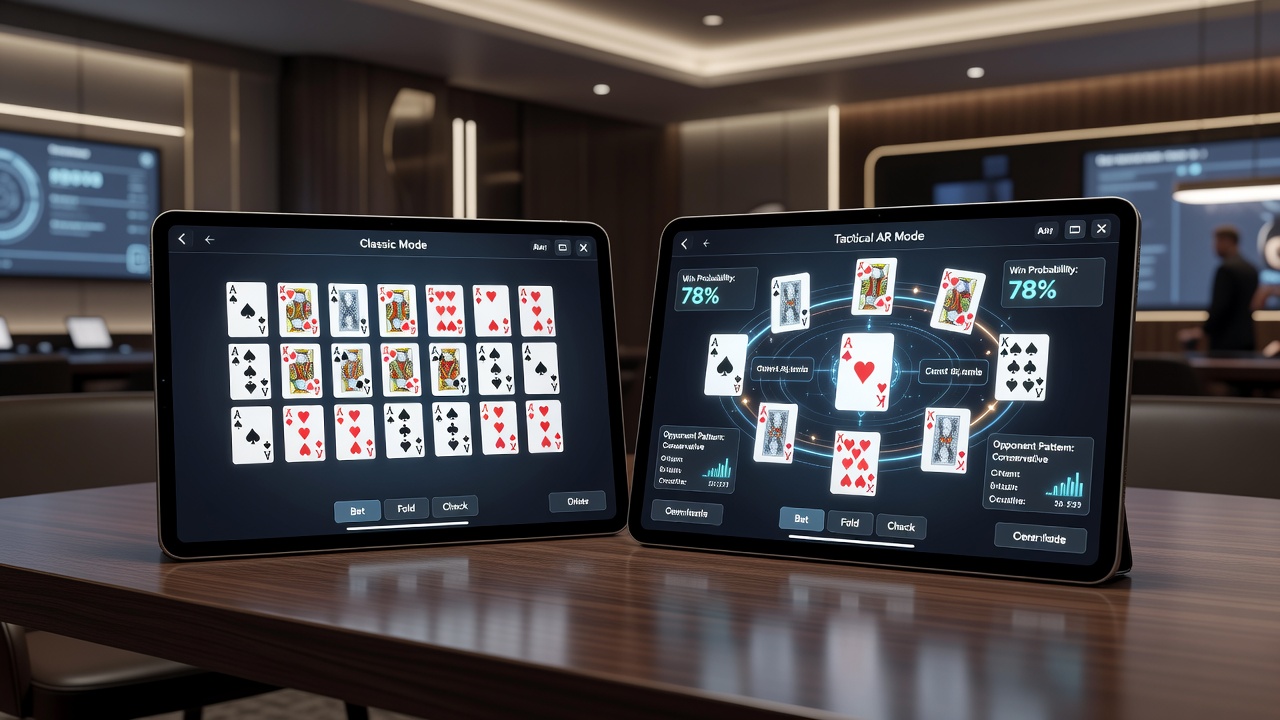
Layouts that support simultaneous hands on one screen allow users to manage parallel positions without switching windows, which diverges from single-table norms where attention stays fixed on one set of cards. Industry reports from sources such as the Nevada Gaming Control Board document rising participation in these modes during 2026, particularly in regions where handheld devices dominate access. The visual separation of hands through borders or color coding influences how players allocate resources across positions, since the interface itself signals independence between them.
Observers have documented shifts in bankroll distribution tactics because side-by-side displays make comparative evaluation immediate, prompting users to adjust wagers based on visible patterns rather than sequential reveals. Applications that include collapsible panels for secondary hands reduce clutter during critical moments, yet they introduce new decision points about when to expand views. Research from Canadian gaming institutes highlights that these configurations encourage hybrid strategies blending traditional card counting with interface-specific timing adjustments, especially when animations reveal outcomes at staggered intervals.
Information Overlays and Real-Time Adjustments
Dynamic overlays that display probabilities or historical outcomes occupy space previously reserved for raw card visuals, and this integration changes the reliance on mental calculations during rounds. Applications developed for tablets and phones often position these elements near action buttons, which streamlines access but requires users to filter data amid active play. Figures from European gaming associations indicate that overlay density affects session length, with moderate information loads supporting sustained engagement while dense panels correlate with quicker exits in some demographics.
Users adapt by developing selective attention patterns that prioritize certain overlay zones over others, a behavior documented in device usage logs from mid-2026. The placement of timers and remaining deck indicators relative to cards further influences pacing, because proximity determines how easily players incorporate that data into ongoing tactics. Designs that allow customizable overlay toggles give players control over information flow, which in turn reshapes how traditional methods integrate with digital assistance.
Conclusion
Interface layouts in handheld casino applications continue to modify established card game tactics through structural changes in visibility, input methods, and data presentation. As platforms evolve, the interplay between screen organization and player behavior produces measurable differences in decision sequences and resource management. Tracking these developments provides insight into how digital environments reshape longstanding approaches without altering core game rules.