How Interface Tweaks Guide Tactic Shifts in Reward-Based Portable Card Sessions
Iris Beck · Nov 21, 2026

How Interface Tweaks Guide Tactic Shifts in Reward-Based Portable Card Sessions
Portable card sessions built around reward systems have seen steady growth in user engagement metrics through November 2026, with interface modifications playing a measurable role in how participants adjust their approaches to point accumulation and session pacing. Developers have refined elements such as progress trackers, notification timing, and button layouts, which in turn prompt measurable changes in betting frequency and decision sequences across tablet and smartphone platforms. Observers note that these adjustments often align with patterns tracked in industry reports from the Nevada Gaming Control Board, where mobile reward mechanics receive ongoing scrutiny for their influence on play duration and wager distribution.
Core Interface Components Driving Change
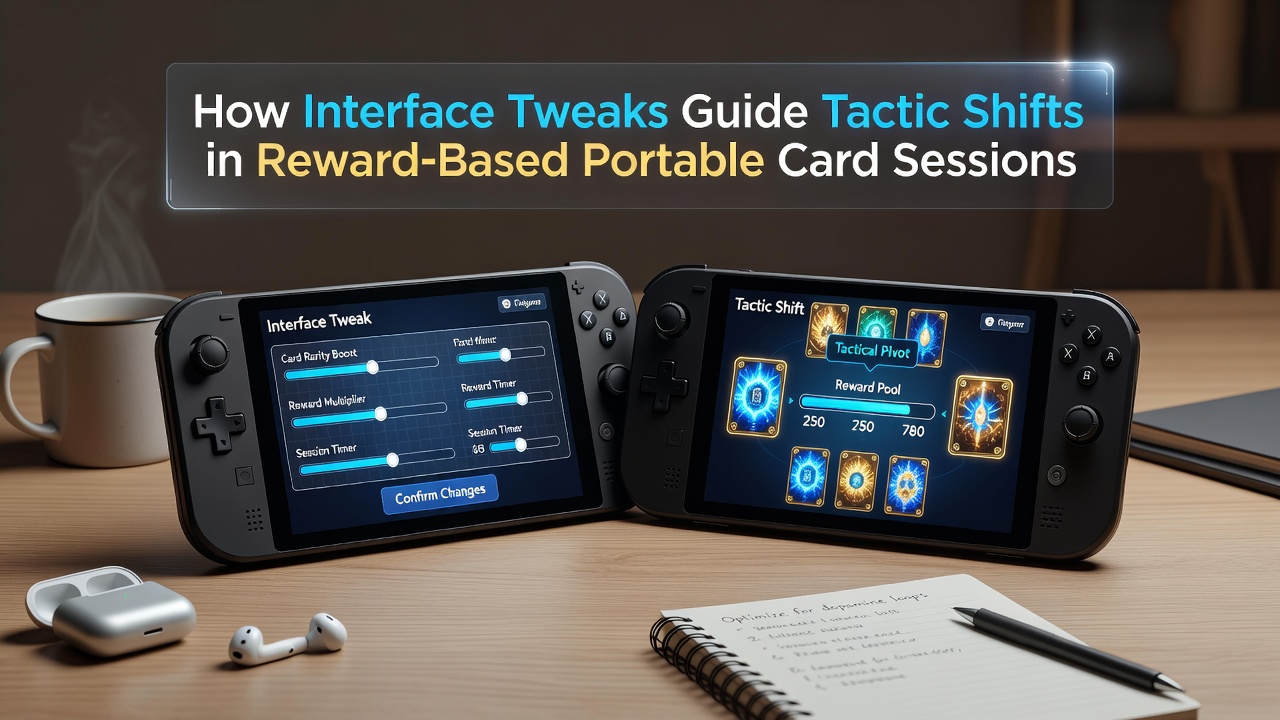
Reward progress bars positioned prominently near the betting area encourage users to monitor accumulation thresholds more closely, leading many to extend sessions or modify bet sizes to reach the next milestone without interruption. Swipe-based card interaction zones have replaced some traditional tap controls in recent updates, shortening the interval between hand resolutions and allowing quicker transitions into subsequent rounds where reward multipliers apply. Those who study these environments report that color-coded alert systems for pending bonuses create visual cues that correlate with increased use of smaller, repeated wagers aimed at sustaining eligibility streaks. Data compiled through November 2026 indicates these visual and tactile refinements appear in a growing share of reward-linked applications, particularly those emphasizing loyalty point ladders over single-session outcomes.
Observed Shifts in Player Tactics
Participants frequently respond to streamlined menu access by reallocating attention toward real-time reward balance displays rather than static strategy charts, resulting in more adaptive bet sizing that prioritizes point multipliers available at specific thresholds. When interface updates introduce collapsible side panels for session history, observers have documented a corresponding rise in mid-round adjustments, such as pausing to review accumulated rewards before committing to insurance or double-down options. Research from the University of Nevada, Las Vegas gaming analytics group shows these layout simplifications tend to compress decision windows, prompting reliance on pre-set preferences that favor reward optimization over traditional risk calculations. The reality is that such patterns emerge consistently across different device orientations, where portrait mode interfaces place reward indicators closer to primary action buttons and landscape configurations spread information across wider fields of view.
Regional Data and Platform Comparisons
Figures from the New Jersey Division of Gaming Enforcement reveal that mobile reward sessions incorporating dynamic button resizing experienced higher average round counts per hour compared with static layouts during the first three quarters of 2026. Platform operators in multiple jurisdictions have adjusted notification cadence to reduce overlap with active play phases, which correlates with fewer abandoned hands and steadier progression through reward tiers. Experts tracking these metrics point out that cross-device synchronization of reward status further influences tactic selection, as users arriving from desktop previews often carry over preferences for conservative wager patterns that maximize point retention across shorter mobile bursts. The ball remains in the developers' court when it comes to refining these elements, since small positioning changes continue to produce measurable differences in how reward structures guide overall session flow.
Accumulation Patterns and Decision Timing
Longer multi-clause observations from multiple platform audits show that reward-linked interfaces with persistent tier indicators lead participants to favor hands that complete faster, thereby increasing the number of opportunities to trigger bonus rounds within a fixed time window. When haptic feedback accompanies point awards, the immediate sensory confirmation appears to reinforce repeated use of minimum bet increments that keep reward meters advancing steadily. Those monitoring Australian market data through the Australian Communications and Media Authority note parallel trends in reward-based card applications, where interface tweaks around confirmation dialogs reduce hesitation and support more fluid progression through layered bonus structures. These adjustments do not alter underlying game mathematics yet reshape the practical pathways users select when balancing short-term outcomes against longer-term point collection goals.
Conclusion
Interface refinements in reward-based portable card environments continue to demonstrate clear connections to shifts in session management and wager distribution, supported by regulatory tracking and academic analysis up to November 2026. The documented effects range from altered bet frequency to modified attention allocation, all without requiring changes to core rulesets. As platforms evolve these design choices, the resulting tactical adaptations provide ongoing material for researchers examining how digital presentation layers interact with established reward mechanics across mobile card formats.