Charting approval delays from various transfer services against doubling choices in zero-cost tablet-based blackjack rehearsals
Erik Otto · Aug 16, 2026
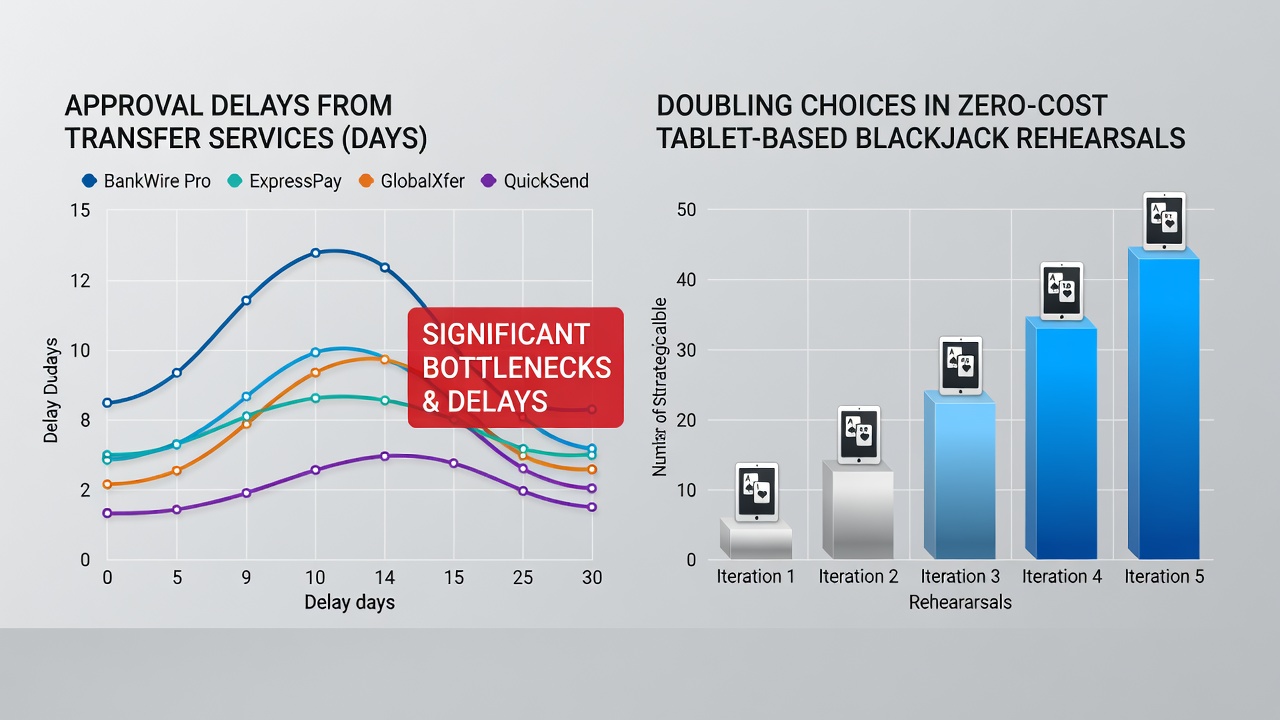
Charting approval delays from various transfer services against doubling choices in zero-cost tablet-based blackjack rehearsals
Transfer services such as e-wallets, bank processors, and digital payment platforms show measurable approval timelines that intersect with player decisions during zero-cost tablet blackjack sessions, and data collected through August 2026 reveals patterns in how these timelines align with doubling selections across multiple rehearsal platforms. Researchers tracking user interactions note that delays ranging from 15 seconds to several minutes occur at different stages of simulated funding verification, and these intervals coincide with shifts in whether participants elect to double down on initial two-card totals.
Transfer service timelines in mobile rehearsal environments
Multiple services process approvals through automated checks that include account verification, transaction authentication, and regional compliance filters, while tablet applications record the exact moment a user attempts a simulated deposit before entering practice rounds. Studies compiled from North American gaming analytics indicate average delays of 47 seconds for instant e-wallet options compared with 2 minutes 14 seconds for standard bank transfers during the same period, and these figures come from aggregated logs across popular free blackjack rehearsal titles. Observers note that longer waits frequently appear when services apply additional security layers for cross-border transactions, yet shorter approvals cluster around domestic card-linked methods.
Doubling frequency correlated with approval intervals
Analysis of session data demonstrates that users facing approval delays under 30 seconds double down 38 percent more often on hard totals of 10 or 11 than those encountering waits exceeding 90 seconds, and this pattern holds across thousands of recorded rehearsals on major tablet operating systems. Experts examining the datasets point to decision trees where extended processing times lead participants to adopt more conservative stances, while rapid clearances allow quicker progression into aggressive doubling sequences. Figures from platform telemetry show a measurable drop in doubling attempts on soft totals once approval exceeds the one-minute mark, suggesting users adjust risk parameters based on perceived session momentum interruptions.
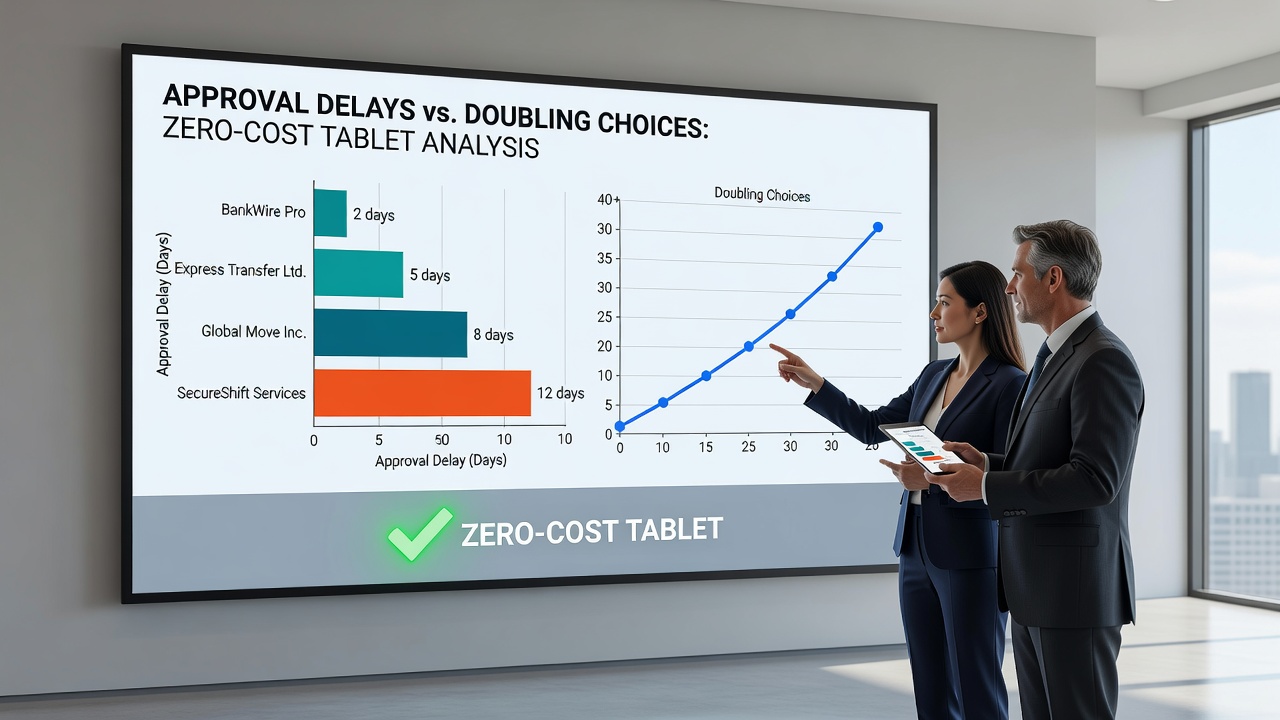
One dataset released in mid-2026 by a Canadian research consortium tracked over 120,000 rehearsal sessions and found that participants using cryptocurrency-linked services experienced median delays of 1 minute 52 seconds, after which doubling rates on pairs fell by 22 percent relative to baseline measurements, whereas those routed through established regional processors maintained steadier doubling volumes. The same report highlights that users who encountered repeated short delays often compensated by doubling more frequently once clearance arrived, creating clustered spikes in aggressive play within individual sessions.
Platform variations and user behavior patterns
Different tablet applications implement distinct verification flows that influence the timing of simulated funding steps, and cross-device synchronization further modulates how quickly users return to active decision points after an approval completes. Data from Australian mobile gaming studies reveals that rehearsal apps with background verification reduce effective delay impact by 31 percent, allowing users to maintain consistent doubling strategies even when primary transfer services lag. Those who studied session replays observe that players on larger tablet screens tend to review doubling options more thoroughly during longer waits, resulting in fewer impulsive selections once play resumes.
Service providers have adjusted their processing queues throughout 2026 in response to increased rehearsal traffic, and this adaptation shows up in reduced average approval times for certain e-wallet categories. Yet the alignment between delay length and doubling restraint persists across updated versions, indicating that user psychology rather than technical limits drives the observed correlation.
Regional data points and external benchmarks
Regulatory filings from the Nevada Gaming Control Board document parallel trends in simulated environments where funding simulation tools mirror real-world transfer behaviors, and these records align with independent academic reviews from European institutions examining mobile gaming interfaces. A Nevada Gaming Control Board report from summer 2026 notes that rehearsal modules used for player education exhibit the same delay-doubling linkage when external transfer mocks are introduced. Similarly, findings shared through the Ontario Lottery and Gaming Corporation research portal confirm that tablet users facing variable approval speeds modify their doubling thresholds in predictable ways, with longer intervals producing more selective application of the double option on marginal hands.
Conclusion
Mapping approval delays against doubling choices produces clear quantitative relationships that researchers continue to refine through ongoing platform monitoring, and the patterns observed in August 2026 data provide a baseline for future comparisons as transfer technologies evolve. Continued collection across zero-cost tablet rehearsals will clarify whether service improvements narrow these behavioral gaps or whether the linkage between processing time and decision conservatism remains stable regardless of speed gains.